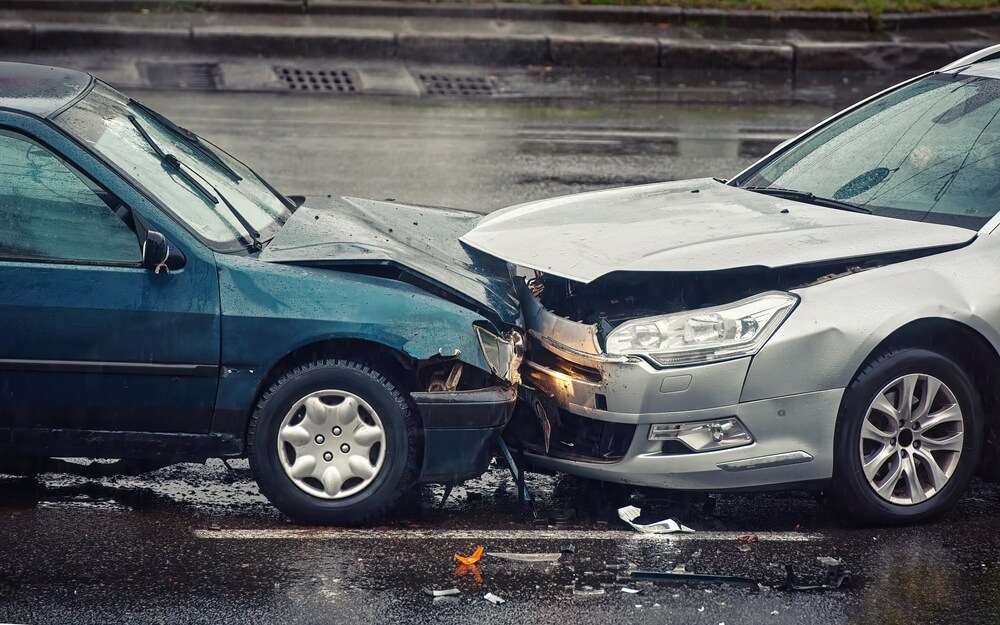
Georgia’s unpredictable weather frequently contributes to car accidents. Whether a sudden torrential downpour or dense morning fog reduces visibility, or slippery roads cause a vehicle to lose control and spin out, these conditions can increase the risk of a crash and complicate liability.
However, while weather conditions might increase the risk of a car accident, they don’t reduce a driver’s responsibility. You can still hold a negligent driver accountable even when the weather contributed to an accident. To do so, you’ll need to understand how to establish liability, what kind of evidence might be available, and the timeframe allowed for filing a lawsuit.
What Types of Adverse Weather Conditions Contribute to Georgia Car Accidents?
Georgia experiences a variety of weather events that directly contribute to car accidents. Some of the most common weather conditions that lead to crashes include:
- Rain – Slippery roads can increase stopping distances, heavy rain and downpours drastically reduce visibility, and large puddles can cause hydroplaning.
- Fog – Thick fog can reduce visibility, making it difficult to see other vehicles or hazards on the road.
- Ice and snow – While Georgia sees less snow than northern states, icy conditions can form on bridges, overpasses, shaded areas, and lower-traffic roads.
- Wind – Strong gusts can push vehicles out of their lanes or blow debris into roadways, increasing the risk of collisions.
How Can You Establish Fault in a Georgia Weather-Related Car Accident?
Establishing fault in a weather-related car accident claim is challenging. However, careful investigation and attention to detail can yield strong evidence of negligence. An experienced car accident lawyer will look for the following proof of negligence in cases involving hazardous driving conditions:
- Traffic violations – If the at-fault party violated traffic laws (e.g., speeding or tailgating) before the accident, those violations can support negligence.
- Driver behavior – Poor weather creates hazardous driving conditions and raises the bar for safe driving, which means the at-fault party should have adjusted their speed, increased their following distance, and used their low beams in rain or fog. If they failed to do these things, those lapses may help establish car accident liability.
- Experts’ analyses – Accident reconstruction professionals can piece together the events of the accident to demonstrate how much the weather contributed to it, and how much responsibility for the crash falls on the other driver.
What Evidence Should You Collect in Weather-Related Accident Claims in Georgia?
All auto accident claims depend on a strong body of substantial evidence. After a weather-related car crash, be sure to collect evidence such as:
- Accident scene evidence – Take photos and videos showing vehicle damage and positions, accident debris, skid marks, road and severe weather conditions, traffic signs and signals, the surrounding area, and visible injuries.
- Witness statements – If anyone saw the accident, they can potentially provide testimony confirming the other driver’s negligence. Collect their names and contact information.
- Police reports – The official police report contains key details about the accident that your attorney can use to build your case. Obtain a copy and store it in a safe place.
- Weather reports – Gather meteorological data showing precipitation, visibility, road conditions, and other weather details at the time of the accident.
- Medical and financial records – You must link your injuries to the accident and the harm you have suffered. You can do this by saving all medical records, bills, invoices, receipts, pay stubs, and other relevant documents.
What Steps Should You Take to Minimize the Chance of a Weather-Related Accident?
Preventing accidents in inclement weather requires proactive measures. Protect your legal rights and your safety by:
- Adjusting your speed – Drive below the speed limit when conditions hinder visibility or reduce traction. Slowing down gives you more time to react to sudden hazards, slippery patches, or stalled vehicles.
- Increasing following distance – On wet or icy roads, vehicles require more space to stop safely. Maintaining extra distance reduces the risk of rear-end collisions when braking becomes difficult.
- Using headlights wisely – Headlights help other drivers see you just as much as they help you see the road. Turn on low beams in rain or fog to improve visibility, as high beams can reduce visibility in these conditions.
- Checking tires and brakes – Properly inflated tires with good tread and functioning brakes are vital for maintaining control in inclement weather.
- Avoiding distractions – Adjusting the radio or reaching for something in the glove box can lead to serious accidents in poor weather. Focus entirely on the road when the weather is rough.
Planning and delaying travel in bad weather conditions is the best way to reduce risk. Check forecasts well before you leave for your destination to protect your safety.

Can I File a Claim for a Car Accident Caused by Bad Weather?
You can pursue a car accident claim even if the weather contributed to the accident. Drivers must adjust their driving in poor weather to minimize their risk. If they don’t, they can be held liable for any damage they cause.
Your claim may seek compensation for:
- Current and future medical expenses
- Lost wages and diminished earning capacity
- Property damage
- Pain and suffering
- Emotional distress
An experienced Georgia car accident lawyer can guide you through the process of pursuing your claim and help you avoid critical errors along the way.
Is There a Time Limit for Filing a Weather-Related Car Accident Claim in Georgia?
Georgia imposes strict deadlines for pursuing personal injury cases. You typically have two years from the date of the injury to file a car accident lawsuit. Missing this deadline can bar you from recovering any compensation in the court system and cost you any leverage you have against the insurance company. To protect your rights, act swiftly and contact an attorney as soon as possible.
Contact a Georgia Car Accident Lawyer Near You
Did poor weather conditions contribute to a car accident that caused you harm? An experienced personal injury lawyer at Sherrod & Bernard, P.C., can help you determine who might be responsible and seek maximum compensation for you.
Our attorneys have 91 years of combined experience protecting the rights of injured individuals and families in Georgia. We’ve recovered millions in verdicts and settlements for our clients, and we are thankful for the kind words they have shared in heartfelt testimonials.
We’re ready to fight for the accountability you deserve. Contact us today to receive a free consultation and learn more about how we can help you.